


Following the terrorist attacks against Charlie Hebdo and the Hyper Cacher supermarket in January 2015, France organised one of the largest public gatherings in its modern history.
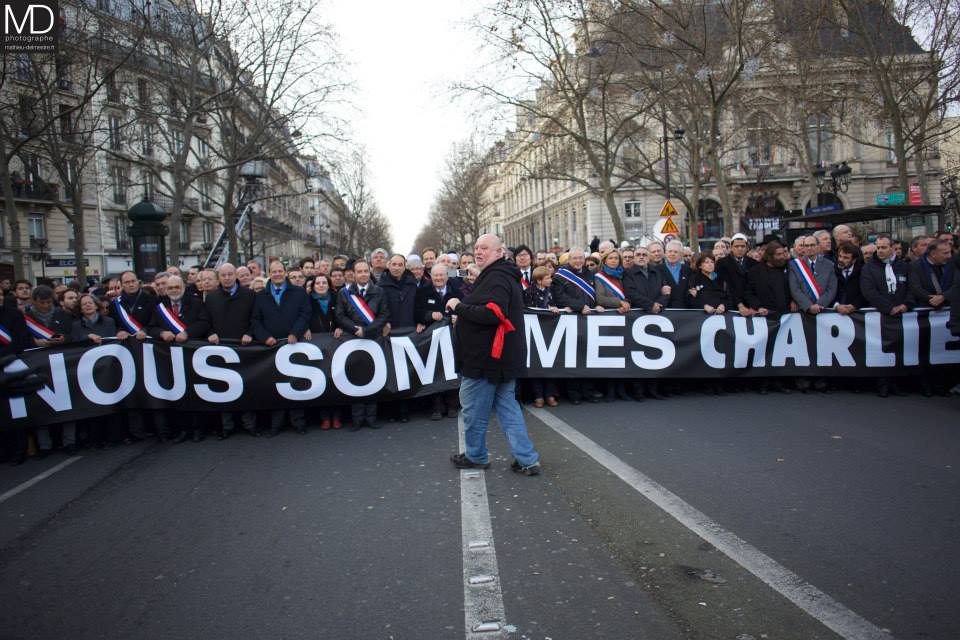
The Republican March of 11 January brought together nearly two million people in Paris, while more than four million citizens took part in demonstrations across France. The event also gathered an exceptional number of heads of state and government, alongside senior French and foreign officials, representatives of major religious communities, public figures, survivors of the attacks and victims’ families.
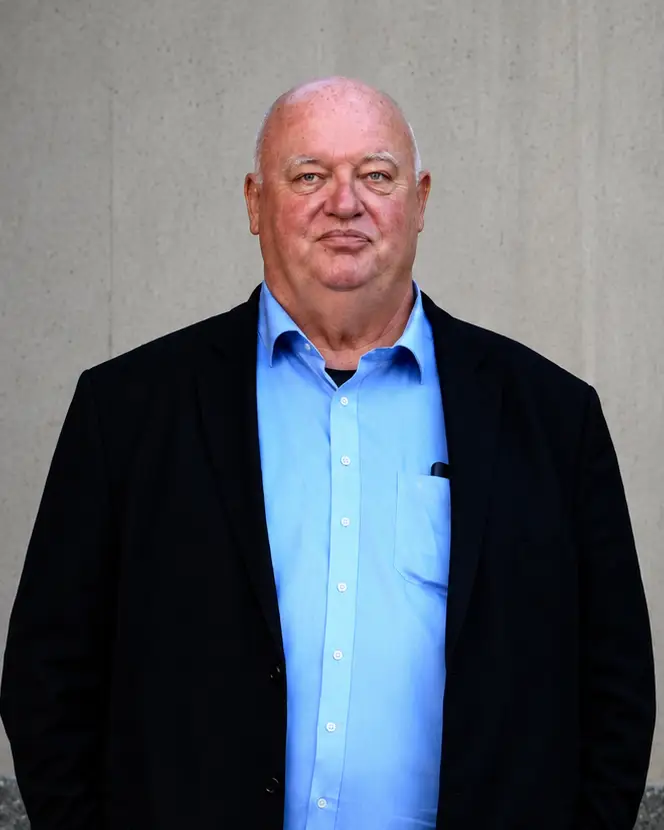
Against this backdrop of national crisis and international attention, Éric Plumer oversaw and coordinated the trade union and political party security teams deployed within the leading contingent of the march, working in coordination with the institutional and operational security arrangements established for the event.
The assignment was carried out under an exceptionally tight preparation schedule: designing, organising and making a sensitive security operation fully operational in just four days.
The assignment required addressing several critical challenges simultaneously: a heightened terrorist threat, the presence of numerous high-ranking officials, a complex urban environment, intense media attention and exceptional protocol requirements.
The main challenges were to:
- Secure an environment bringing together heads of state, institutional representatives, public figures, survivors and victims’ families;
- Coordinate security teams from different organisations, each with its own operational culture and procedures;
- Mobilise, organise and deploy more than 200 personnel in less than four days;
- Ensure the smooth movement of official delegations and the effective management of protocol-related movements;
- Maintain continuity of command despite technical constraints, disruptions and unforeseen operational challenges;
- Preserve the ability to adapt in real time within an exceptionally sensitive environment.
The objective was to ensure the security of the designated protocol area while maintaining effective coordination of deployed resources, the smooth movement of participants and delegations, and operational continuity.


A centralised coordination structure was established through an accelerated strategic planning process, bringing together the principal institutional authorities, operational teams and emergency services involved in the event.
The response was based on:
- Continuous coordination with command authorities, specialised protection units and emergency services;
- Clear allocation of responsibilities and operational areas;
- Comprehensive operational site reconnaissance conducted with the relevant team leaders before deployment;
- Implementation of communication, information reporting and incident management procedures;
- Deployment of alternative command arrangements to ensure operational continuity;
- Continuous oversight, enabling resources to be adjusted in real time as the situation evolved.
This integrated approach ensured the effective coordination of security personnel around the most sensitive protocol areas and maintained a coordinated response capability throughout the event.
Despite an exceptionally short preparation period, a heightened threat environment and worldwide media attention, the security arrangements ensured operational continuity within the leading contingent of the march and effective coordination of the teams deployed around the most sensitive areas.
Thorough preparation, clear allocation of responsibilities, operational adaptability and continuous coordination between all stakeholders enabled the security operation to meet the demanding requirements of an exceptional event combining institutional, public, diplomatic protocol and security considerations.